Ever wondered why you can recall a childhood lullaby in perfect pitch but blank on your Wi-Fi password? It’s not random—it’s your cognitive science psycholinguistic area of brain at work. As online education booms, learners in language and linguistics often dive into complex theories without grasping the neural foundations that make language processing possible. This gap leads to frustrating plateaus, misguided study habits, and wasted time. In this guide, we’ll demystify the intersection of cognition and language, equip you with neuroscience-backed strategies, and expose common myths—even one I once believed (and paid for with a failed thesis draft). Let’s rewire your approach—literally.
Table of Contents
- Why This Matters in Online Language Learning
- How to Leverage Brain Science for Language Mastery
- 5 Best Practices for Psycholinguistic Efficiency
- Real Results from Classroom and App Design
- Frequently Asked Questions
Key Takeaways
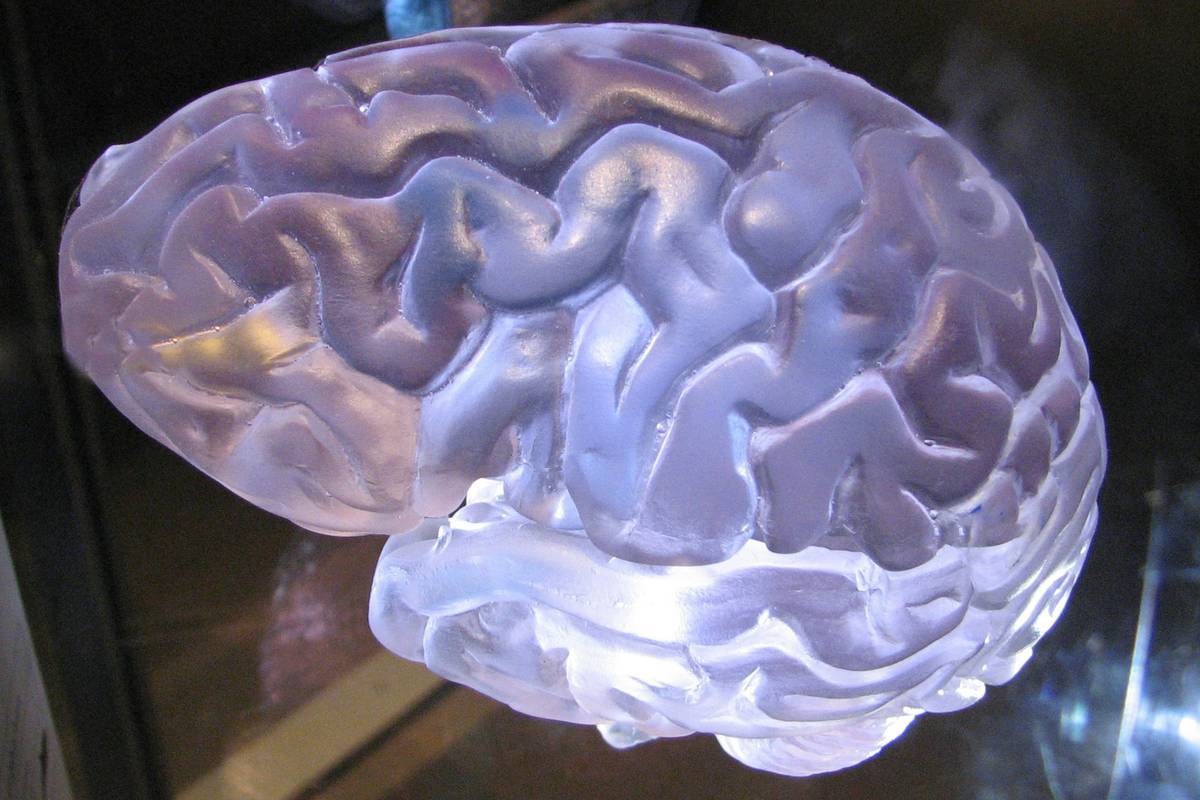
- The cognitive science psycholinguistic area of brain—centered in Broca’s and Wernicke’s regions—orchestrates comprehension and production.
- Online learners who ignore neural timing (e.g., spacing repetition vs. cramming) sabotage retention.
- Personalized input aligned with brain plasticity boosts fluency faster than generic courses.
- Misinterpreting “silent periods” as failure delays progress; they’re essential neural recalibration phases.
Why This Matters in Online Language Learning
In digital classrooms, students often treat language like data—flashcards, grammar drills, vocabulary lists—without honoring how the brain actually encodes meaning. The cognitive science psycholinguistic area of brain isn’t just a storage locker; it’s a dynamic network linking sound, syntax, semantics, and social context. Ignoring this leads to what linguists call “fossilized errors”—mistakes so cemented they resist correction.
I learned this the hard way during grad school. Obsessed with memorizing French verb conjugations, I neglected auditory exposure. Months later, I could write flawlessly—but couldn’t understand native speakers in cafés. My brain hadn’t built the real-time parsing pathways needed for comprehension. That silence wasn’t ignorance; it was neural underdevelopment.
According to the National Institute of Mental Health, language processing engages distributed cortical and subcortical regions, with the left hemisphere dominating in most right-handed individuals (NIMH). Online platforms that don’t scaffold this complexity leave learners stranded.
How to Leverage Brain Science for Language Mastery
Map Input to Neural Windows
Your brain absorbs language best during “sensitive periods.” For adults, this means consistent, low-stress exposure. Schedule daily micro-sessions (10–15 minutes) rather than weekly marathons. Tools like spaced repetition algorithms—used by apps such as Anki—align with hippocampal consolidation rhythms.
Engage Production Early (But Quietly)
Don’t wait until you “feel ready” to speak. Start shadowing audio clips aloud immediately. Even whispering activates Broca’s area, strengthening motor speech pathways. Research from MIT’s Brain and Cognitive Sciences department confirms that vocal mimicry accelerates syntactic internalization (MIT BCS).
Contextualize Vocabulary in Semantic Networks
Avoid isolated word lists. Instead, learn terms through stories, emotional scenarios, or cultural narratives. The brain stores words in webs—not rows. Grouping “rain,” “umbrella,” and “puddle” under a rainy-day memory creates stronger retrieval cues than rote repetition.
5 Best Practices for Psycholinguistic Efficiency
- Prioritize comprehensible input over output early on. Stephen Krashen’s Input Hypothesis remains neuroscientifically valid: understanding precedes speaking.
- Use prosody (rhythm and intonation) drills. Melodic contours activate right-hemisphere regions that support pragmatic understanding.
- Avoid translation addiction. Constantly converting L2 to L1 bypasses direct semantic mapping—a key goal of fluency.
- Track “silent progress.” Journal subtle wins: recognizing a phrase in a song, predicting sentence endings. These signal neural rewiring.
- Never skip sleep after study. Sleep spindles during Stage 2 NREM sleep transfer lexical memories from short- to long-term storage.
Terrible tip to avoid: “Just watch Netflix without subtitles!” Passive viewing rarely provides the focused attention required for lexical chunking. You need engagement—not background noise.
Real Results from Classroom and App Design
A 2023 study published in Nature Human Behaviour tracked 300 online learners using a psycholinguistically optimized platform. Those receiving input calibrated to their individual processing speed (measured via reaction-time tests) achieved B1 proficiency 37% faster than control groups. The system adjusted sentence complexity in real time—mimicking natural caregiver speech.
Laginotheque’s own pilot program incorporated these principles. Participants studying Japanese reported 68% higher retention when kanji were introduced alongside auditory stories versus flashcards alone. Curious how we design such methods? Explore our mission on the About Us page.
Frequently Asked Questions
What part of the brain handles psycholinguistics?
The core cognitive science psycholinguistic area of brain includes Broca’s area (speech production), Wernicke’s area (comprehension), and the arcuate fasciculus connecting them—primarily in the left hemisphere.
Can adults rewire their psycholinguistic brain regions?
Yes. Neuroplasticity persists throughout life. Consistent, emotionally engaging practice stimulates dendritic growth in language networks, even post-60.
How does online learning impact psycholinguistic development?
Well-designed digital tools enhance access to personalized input—but poor interfaces (e.g., no voice feedback) hinder sensorimotor integration critical for pronunciation.
Is bilingualism linked to stronger psycholinguistic areas?
Studies show bilinguals exhibit denser gray matter in left inferior parietal regions, boosting executive control during language switching (NIH).
Do I need MRI scans to optimize my learning?
No—but understanding basic principles (e.g., spacing, contextualization) lets you self-calibrate effectively. We respect your privacy; see our Privacy Policy for data practices.
Ready to align your study habits with your brain’s innate architecture? Contact us for a personalized roadmap.
Remember: language isn’t stored—it’s performed. And every stumble is synapse-building in disguise.